
Samford’s local fauna: Golden Whistler (Pachycephala pectoralis)
The Golden Whistler is widespread in eastern and south-eastern Australia, including Norfolk and Lord Howe islands, which have their own subspecies. It occupies a wide range of habitats from eucalypt forest and rainforest, to parks and gardens, but prefers areas with a well-developed understorey. It can be found all year-round at Mounts Nebo and Glorious and in some riparian and woodland areas of the Samford valley, where numbers tend to increase in the cooler months when some birds come down from the ranges (altitudinal migration), often spreading into dry sclerophyll woodland. Golden Whistlers are usually seen singly or in pairs but may join mixed feeding parties in the non-breeding season. Immature birds are thought to be nomadic.
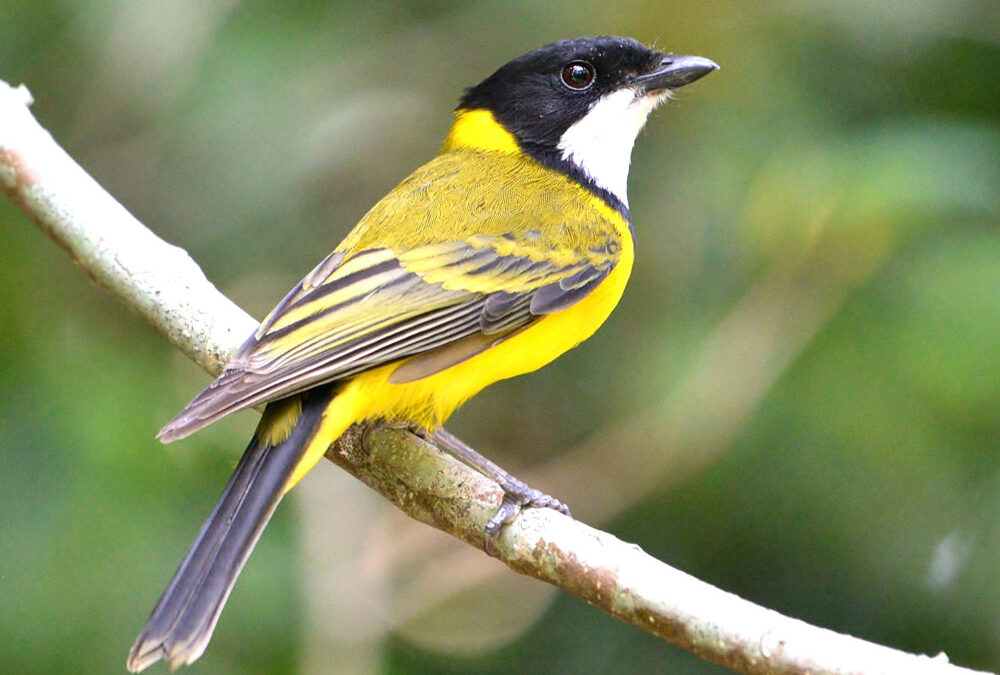
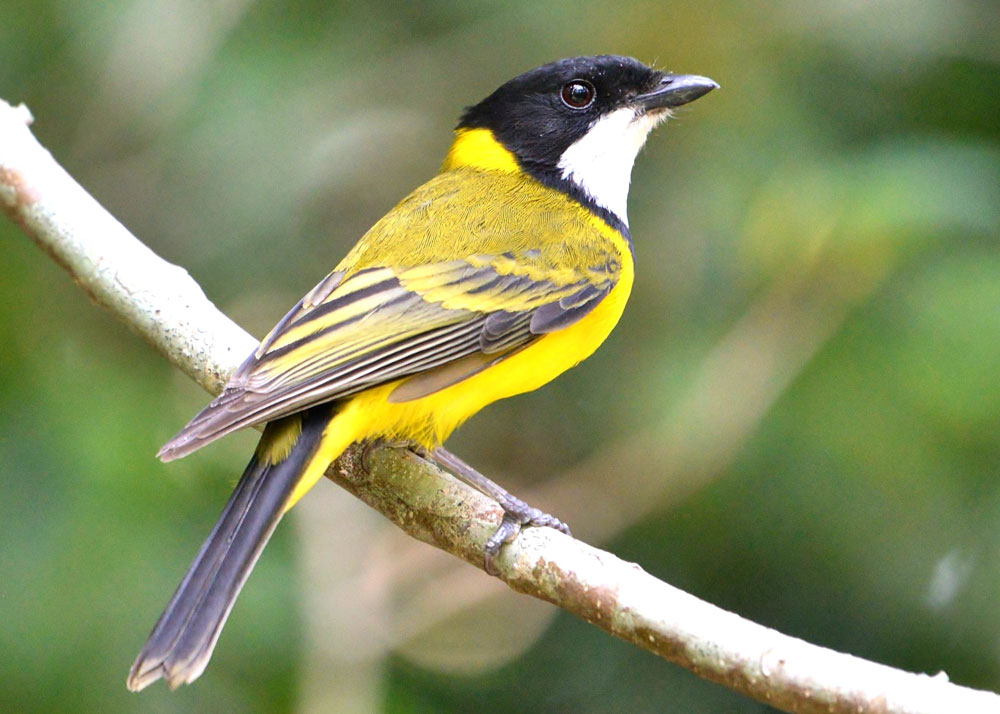
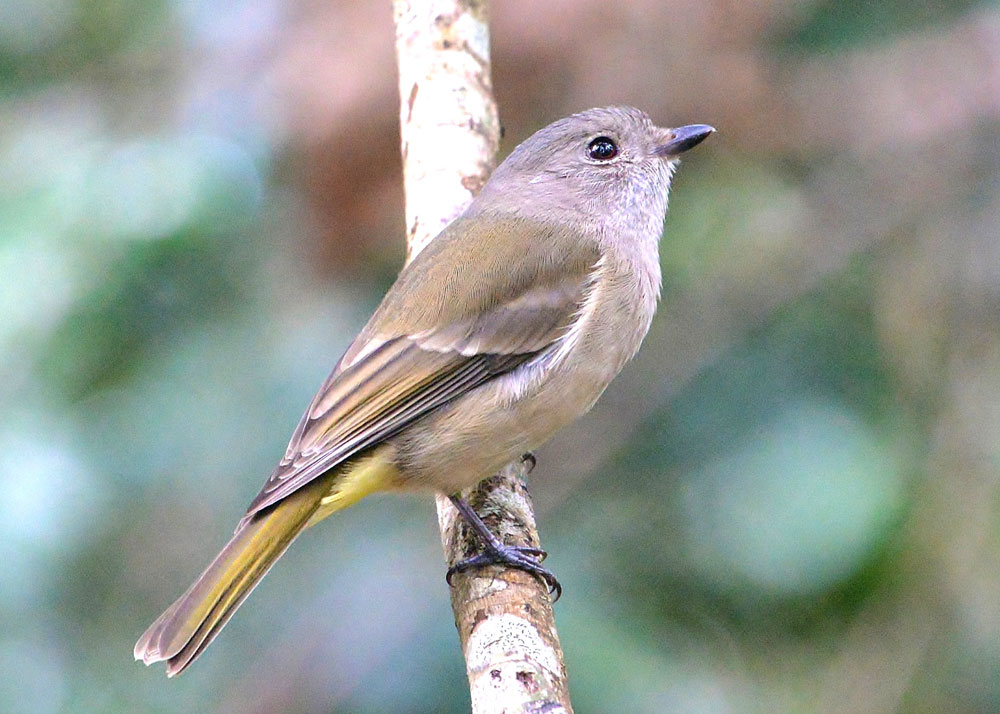
The adult male is a stunning bird with a black head, white throat, bright yellow underparts, olive back, blackish wing feathers with olive and yellow edges, and black tail. The much plainer female has a grey head, paler throat, buff-grey back, grey wings with olive edges, buff underparts and some pale yellow under the tail. Immatures of both sexes are like the female, but with some rufous in the wings and a paler bill. Surprisingly, the rarely seen juveniles are completely bright rufous just for a few days after fledging. As the name suggests, Golden Whistlers are beautiful songsters that make a variety of loud calls, such as the melodious territorial call ‘tsee-tsee-tsee-tuwhit’. Check out the range of calls on the free Merlin app (our local subspecies is the Eastern: pectoralis).
The male Golden Whistler is a stunning bird
 The female Golden Whistler is much plainer
The Golden Whistler gleans arthropods from foliage and bark, often from the low to mid-storey and sometimes sally pounces on prey. Breeding usually takes place in spring or summer. The nest is a woven cup usually placed in the dense outer foliage of a tree or in a prickly shrub. The usual clutch size is 2 or 3 eggs.
Keep your eye out for this bird in the Samford district over the next few months.
Peter Storer